Hurricane-Season Dryer Vent Preparation for St. Augustine Homes
Your dryer vent isn’t the first thing on a storm checklist, but it belongs on it. A vent in good condition before a storm avoids two very different post-storm problems — and knowing what to check takes ten minutes. Learn about vent hood repair or replacement.
Why Vent Condition Matters Before a Storm
Two separate things are worth thinking about here. First, an exterior vent hood that’s already loose, cracked, or poorly sealed is exactly the kind of small vulnerability wind-driven rain finds — water intrusion around a vent penetration is a common, avoidable source of minor storm damage. Second, if you’re leaving town ahead of a storm, a home sitting closed up with a lint-restricted vent and a humid, powered-down interior is a setup for the kind of stagnant, moisture-heavy conditions that make any existing lint buildup worse by the time you’re back.
Pre-Storm Checklist
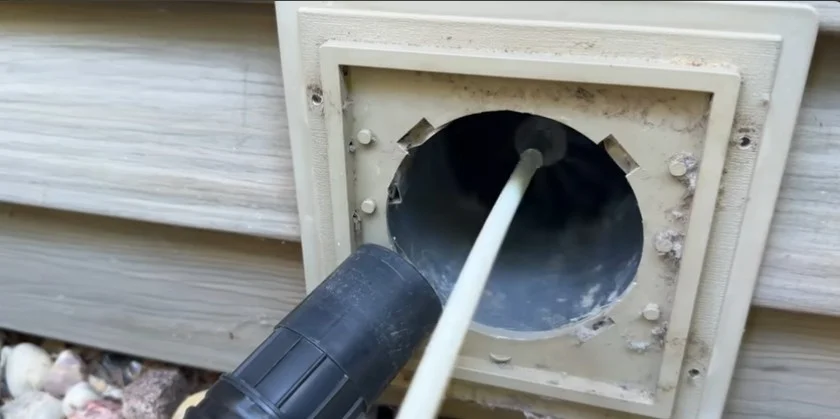
- Check the exterior vent hood — look for a damaged, loose, or misaligned cover, and confirm the flap opens and closes freely.
- Confirm the duct connection at the dryer — a loose or crushed connection is worth catching before a storm adds humidity and debris to the mix.
- Clear visible lint at both ends — the dryer-side trap and the exterior hood, even if a full cleaning isn’t due yet.
- If you’re evacuating or closing up the house, unplug the dryer rather than leaving it on standby, and leave the vent hood flap functional rather than taped or blocked — a sealed vent traps humidity inside the duct.
After the Storm — Before You Restart the Dryer
Once the storm has passed, don’t assume the vent is fine just because the dryer still turns on. Debris, nesting material, or a dislodged hood are common after high wind, and running a dryer against a blocked or damaged vent is one of the more avoidable ways a minor storm issue turns into a real fire-safety concern. We cover the underlying mechanics of that risk in detail on our Dryer Vent Fire Safety page — the short version for post-storm season: if you see storm debris near the exterior hood, if the flap won’t close all the way, or if a normal load suddenly takes much longer to dry, treat that as a reason for an inspection before regular use resumes.
If You’re a Seasonal or Part-Time Homeowner
If your St. Augustine property sits closed up for stretches during hurricane season, the same checklist applies before you leave and again before you reopen the house — a vent that was fine in the spring can collect nesting material or debris over a few unattended months. This is worth building into whatever pre-departure and reopening routine you already have for the rest of the house.
Frequently Asked Questions
Should I cover or seal my dryer vent before a hurricane?
No — sealing or taping over the exterior hood traps humidity inside the duct rather than protecting it, and creates a damp environment that’s worse for lint buildup than leaving the vent’s normal flap mechanism to do its job. A secure, properly functioning hood is the goal, not a sealed one.
How soon after a storm should I check the vent if I don’t see obvious damage?
Even with no visible damage, it’s worth a quick look at the exterior hood before the next few dryer loads — wind-driven debris can lodge just inside the opening where it isn’t visible from outside. If anything changes about drying time or smell in the days after, that’s the more reliable signal to act on.
Does this apply if my dryer vent was already cleaned recently?
Yes — a recent cleaning addresses buildup, not storm damage or debris intrusion. The two are separate issues, so a clean duct can still end up with a dislodged or debris-blocked exterior hood after a storm.
Want a Vent Check Before Storm Season Peaks?
A quick inspection now is easier than a repair after a storm.